Daisy Flower Embroidery Design Review for Real Projects
First Impressions: Cheerful, Clean, and Versatile
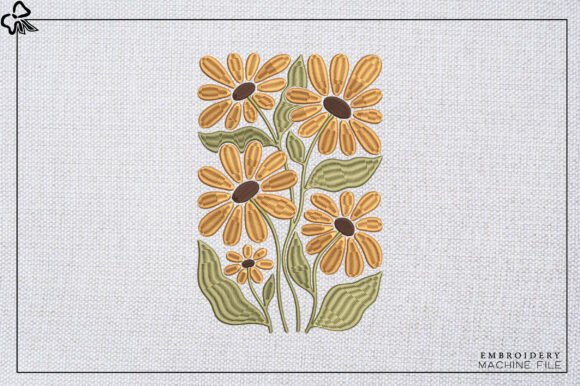
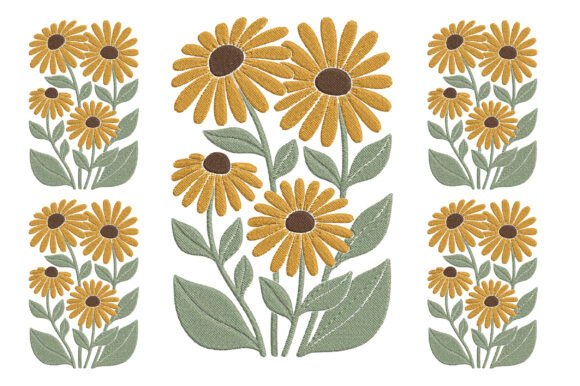
The Embroidery Daisy Flowers Design immediately brings a sense of lightness and joy. Its wildflower inspiration is evident in the soft, organic outlines and open petals that suggest a natural, hand-drawn quality. It’s not overly stylized or cartoonish, which makes it suitable for both modern and rustic design aesthetics. The layout feels balanced, with enough detail to catch the eye without overwhelming the fabric. It's a perfect fit for spring-themed items, baby gear, or any project needing a touch of botanical charm.
Real-Life Use: Where This Design Shines
I recently tested the Daisy design on a custom embroidered tote bag and a set of personalized baby bibs. On the tote, the daisy added a gentle focal point that didn’t compete with the natural canvas texture. The design scaled well and maintained clarity even at a moderate size. For the baby bibs, the softness of the daisy complemented the pastel colors and lightweight fabric. It also held up nicely on a sweatshirt mockup—ideal for a boutique-style gift or Etsy listing.
Its adaptability really shows when used on patches, tea towels, and embroidered pillow covers. The design reads well both close-up and from a distance, making it a solid choice for embroidered nursery decor or holiday gifts. I can also see this working well on embroidered caps, provided the hoop size and stitch density are appropriate.
Performance Across Different Fabrics and Stitches
The Embroidery Daisy Flowers Design uses a mix of satin and fill stitches that give it a clean, polished finish. The satin stitch outlines the petals crisply, while the fill stitch adds depth without feeling heavy. I noticed it handled cotton and linen fabrics very well—clean edges, no puckering when stabilized properly.
On stretchy or textured fabrics like sweatshirt fleece or knits, I recommend using a lightweight cutaway stabilizer to prevent distortion. The design doesn’t include tiny lettering or overly intricate corners, which helps it maintain clarity across hoop sizes and fabric types. However, on dark fabrics, I’d suggest testing thread contrast to ensure the white petals don’t get lost in the background.
Where to Use with Caution
While the design is versatile, there are a few limitations to consider. If you're working with a small hoop size, the full daisy may not fit without scaling down, which could compromise detail. I wouldn’t recommend it for curved surfaces like baseball caps unless you have experience adjusting for tension and stitch placement.
Also, if you're planning to use it on garments that will be washed frequently—like baby clothes or kitchen towels—check the stitch density and thread quality. Dense satin stitches can stiffen fabric over time, especially if multiple designs are layered together. And for layered garments or applique projects, make sure the daisy doesn’t get swallowed by surrounding elements or textures.
How It Impacts the Final Product
This design brings a professional, handmade feel that elevates even basic items. On personalized gifts, it adds a thoughtful, custom touch that customers notice and appreciate. From a branding standpoint, it works well for small shops aiming for a fresh, nature-inspired aesthetic. Whether used on boutique apparel or embroidered patches, it contributes to a cohesive, recognizable design language.
From a buyer engagement perspective, the Daisy Flowers design reads as approachable and elegant—ideal for digital product previews or printable mockups. It’s not so niche that it limits your audience, and it has enough charm to stand out in a sea of generic floral designs.
Designer Notes: Practical Tips Before You Stitch
- Test on scrap fabric first to check how the satin and fill stitches lay.
- Review thread color contrast, especially if using on dark or patterned fabrics.
- Confirm hoop size compatibility, particularly if you're working with small embroidery machines.
- Use proper stabilizer for stretchy or textured materials to prevent distortion.
- Inspect small details after stitching—make sure petals and centers are clean and well-defined.
- Test in black and white mockups to evaluate visual balance before finalizing a design.
- Compare light and dark backgrounds to ensure versatility across fabric types.
- Check licensing terms before selling finished items or including the design in digital product bundles.
Final Thoughts: A Dependable Design for Real-World Projects
The Embroidery Daisy Flowers Design is a quiet standout. It’s not flashy, but it’s versatile, clean, and easy to incorporate into a wide range of real embroidery work. Whether you're creating custom apparel, personalized gifts, or digital design assets, this floral motif offers a reliable, professional finish. It’s especially valuable for Etsy sellers, small craft businesses, and designers who want a fresh botanical element without sacrificing clarity or wearability.
As with any embroidery file, success comes down to testing and preparation. But with a bit of attention to stabilizer, fabric choice, and color balance, this design can become a go-to asset in your creative toolkit.